How to Identify Premium Quality Hibiscus Flowers: A Buyer's Guide
Global demand for dried hibiscus flowers continues to grow — but not all hibiscus offers the same quality, consistency, or value. This guide explains the key characteristics of high-quality dried hibiscus and the parameters importers and procurement professionals should evaluate before placing an order.
Manufacturers, distributors, and consumers increasingly seek natural ingredients for teas, beverages, wellness products, food applications, and herbal formulations. For international buyers, understanding how to identify premium hibiscus flowers is essential for securing a reliable supply chain, maintaining product standards, and meeting customer expectations.
Why Quality Matters When Sourcing Hibiscus
Whether you are purchasing hibiscus for tea production, beverage manufacturing, nutraceutical products, food ingredients, or retail packaging, product quality directly affects flavor, color intensity, shelf life, manufacturing efficiency, regulatory compliance, customer satisfaction, and brand reputation.
Poor-quality hibiscus can contain excess moisture, foreign matter, mold contamination, inconsistent sizing, or faded color — all of which reduce product value and increase operational risks. Selecting suppliers that adhere to recognized hibiscus quality standards is critical.
What Are Premium Hibiscus Flowers?
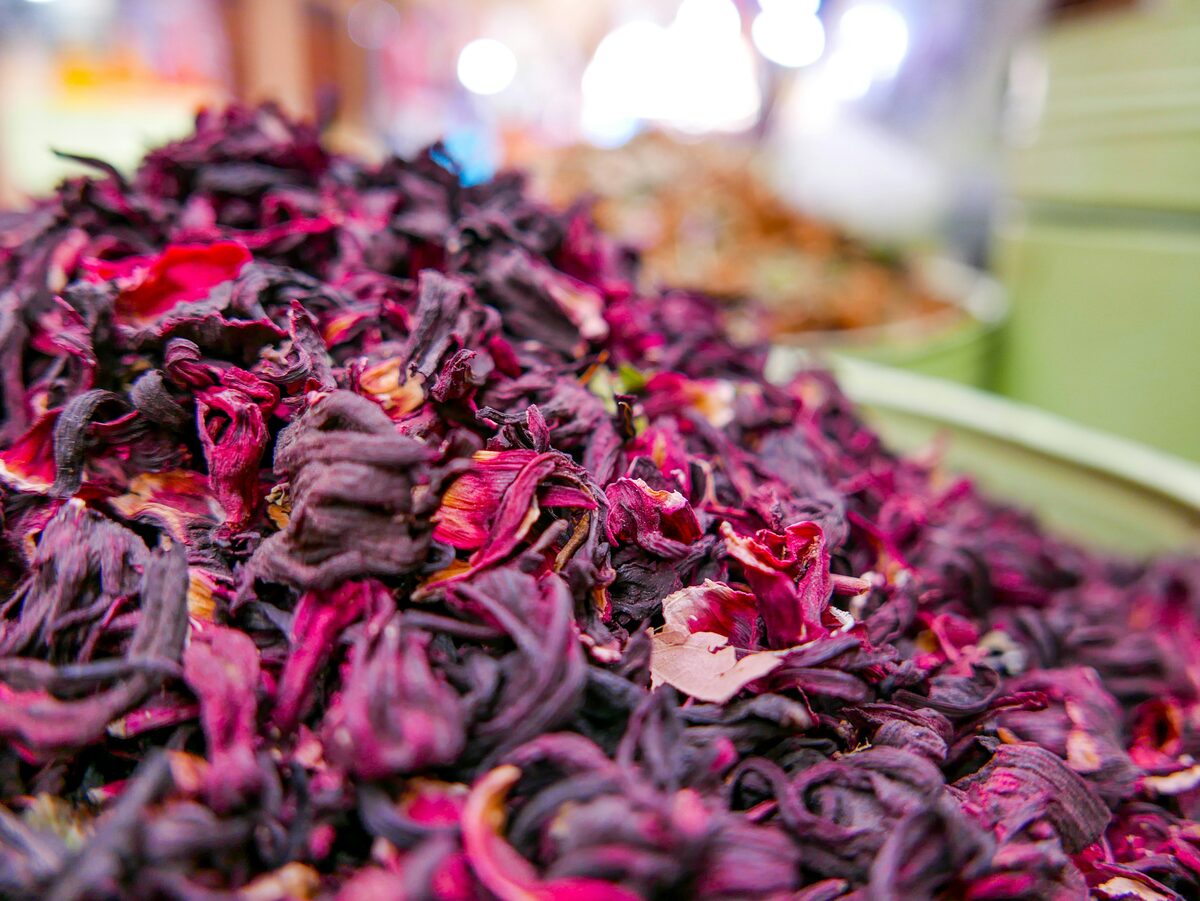
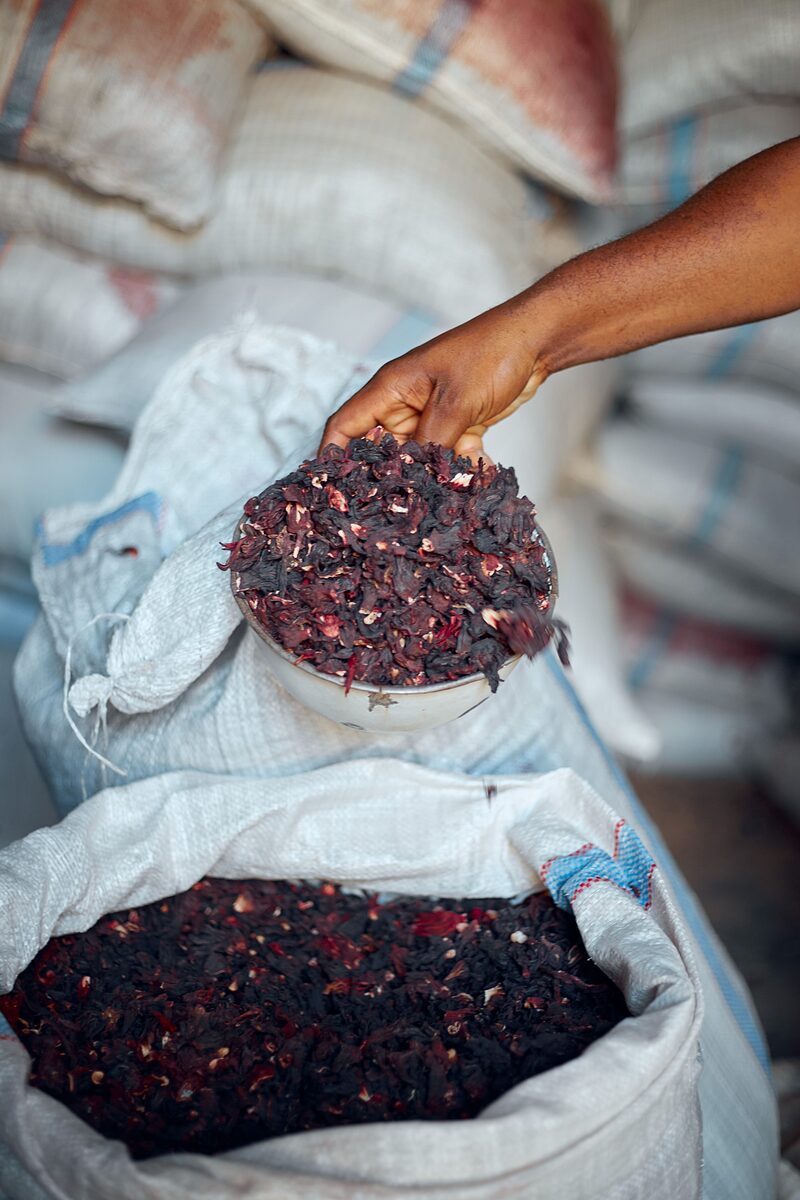
Premium hibiscus flowers are carefully harvested, dried, sorted, cleaned, and packaged calyces that meet stringent specifications for domestic and export markets. High-quality dried hibiscus typically exhibits:
Deep Red Color
Deep red to dark crimson shades reflecting high anthocyanin content.
Uniform Size & Shape
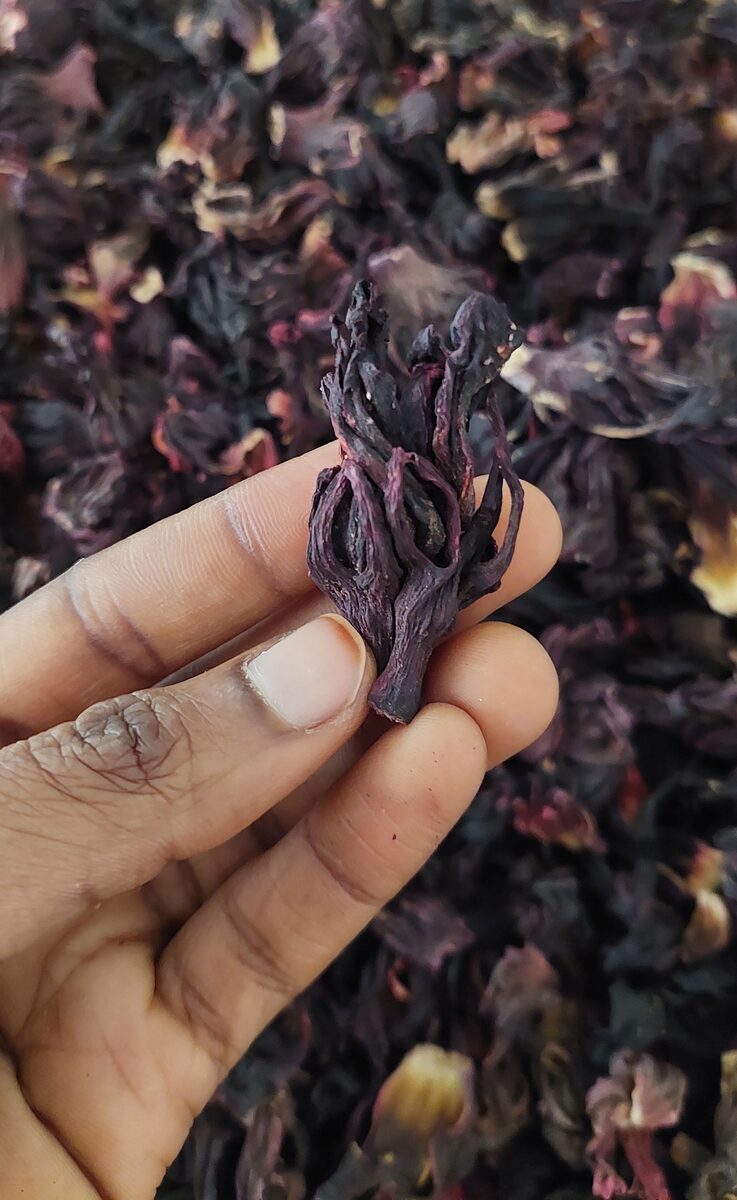
Consistent calyx sizes with minimal breakage and well-preserved structures.
Clean, Intact Calyces
Free from dust, sand, stones, stems, leaves, insects, and other plant materials.
Low Moisture Content
Properly dried for stability during transportation and long-term storage.
Strong Natural Aroma
A characteristic aroma with excellent rehydration properties.
Export Compliance
Meets export requirements for teas, beverages, syrups, powders, and wellness formulations.
Nigeria has become one of the world's leading producers of dried hibiscus flowers due to favorable growing conditions, rich soil, and strong export-oriented production systems.
Key Characteristics of Premium Dried Hibiscus
Rich, Vibrant Color
Bright red, deep ruby red, or dark crimson shades signal high anthocyanin content. Faded, brownish, or dull hibiscus may indicate poor drying, excessive sun exposure, improper storage, or aging stock.
Uniform Size and Shape
Uniformity improves processing efficiency, packaging consistency, product presentation, and brewing performance. Export buyers often specify grading requirements to ensure consistency across shipments.
Low Foreign Matter Content
Export-quality hibiscus should be free from dust, sand, stones, stems, leaves, and insects. Professional exporters use sorting and cleaning processes to remove unwanted materials before shipment.
Understanding Hibiscus Moisture Content
Among all quality parameters, hibiscus moisture content is one of the most critical. Excess moisture can cause mold growth, microbial contamination, product deterioration, reduced shelf life, and loss of color and aroma.
While specifications vary by buyer and destination market, premium export-grade hibiscus commonly maintains moisture levels between 10% and 12%, or according to buyer requirements and applicable regulatory standards. Reliable suppliers regularly test moisture levels during processing and before export to ensure product integrity.
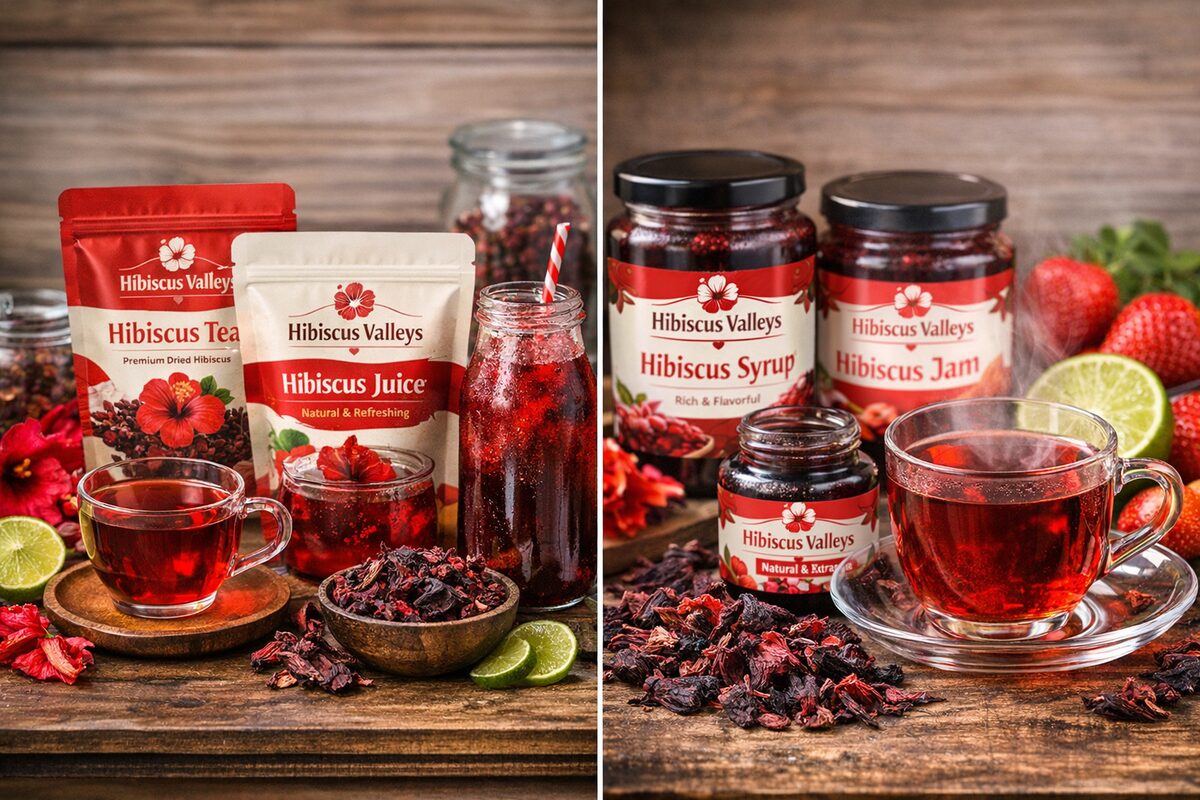
How Hibiscus Is Used in Global Industries
Tea Manufacturers
Herbal teas and blends with citrus or floral profiles.
Beverage Companies
Juices, functional drinks, syrups, and concentrates.
Food Industry
Natural coloring and flavoring applications.
Wellness & Nutraceutical
Antioxidant-rich formulations and herbal supplements.
Buyer Checklist: How to Identify Premium Hibiscus
Before purchasing, international buyers should evaluate:
Color intensity and uniformity
Cleanliness and foreign matter level
Moisture stability and aroma quality
Structural integrity
Supplier processing standards and export handling procedures
These factors collectively determine whether hibiscus meets commercial expectations.
Request a Product Specifications Sheet or Quotation
Ready to evaluate export-grade Nigerian hibiscus against your own checklist? Request our detailed product specifications sheet or a quotation for your required volume, and review our dried hibiscus flowers product page for full specifications.
Request Specifications / Quotation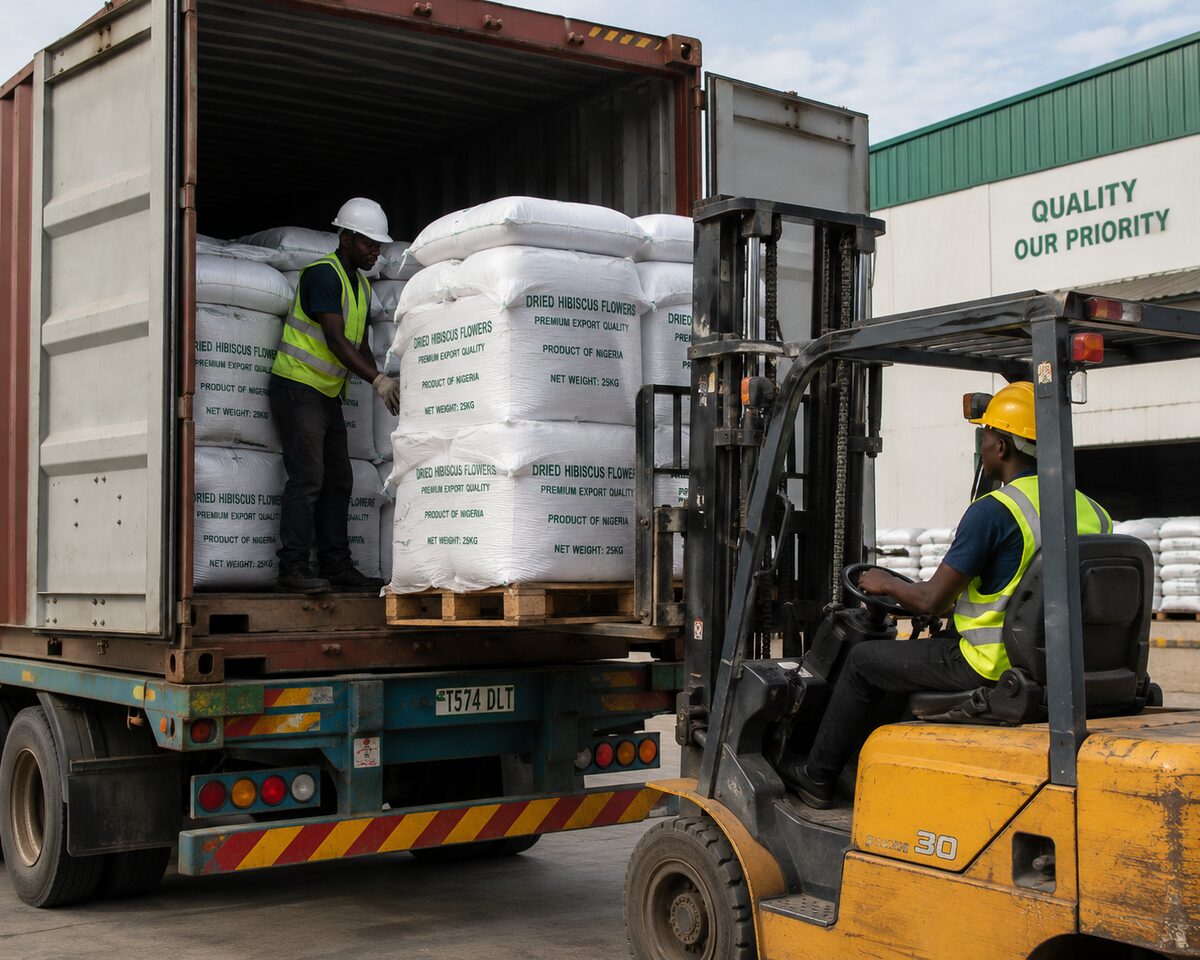
Why Nigerian Hibiscus Is Highly Valued Globally
Nigeria has earned a strong reputation as a supplier of premium dried hibiscus flowers due to favorable climatic conditions, large-scale cultivation, strong export infrastructure, competitive pricing, and high-quality calyx production.
Many international buyers source dried hibiscus flowers from Nigeria because of their rich color, strong flavor profile, and suitability for tea, beverage, food, and wellness applications. When processed according to international standards, Nigerian hibiscus consistently meets the expectations of global markets.
Identifying premium hibiscus requires more than visual inspection alone. A trusted supplier will provide transparent specifications, maintain rigorous quality controls, and support long-term sourcing needs.
Supplying Quality Hibiscus for Global Buyers
At Hibiscus Valleys, we focus on sourcing and supplying premium dried hibiscus flowers that meet the requirements of international buyers in the food, beverage, and herbal tea industries. Our approach emphasizes careful sourcing from experienced farmers, strict quality control, reliable export logistics, and consistent supply for global markets.
Contact Us for Sourcing