
Hibiscus Moisture Content: Export Standards and Quality Control for Premium Dried Hibiscus
Buyers often focus on color, cleanliness, and calyx size — but one of the most critical factors influencing product quality, shelf life, and export success is moisture content. Here is how it is managed throughout the production chain, and what buyers should verify before placing an order.
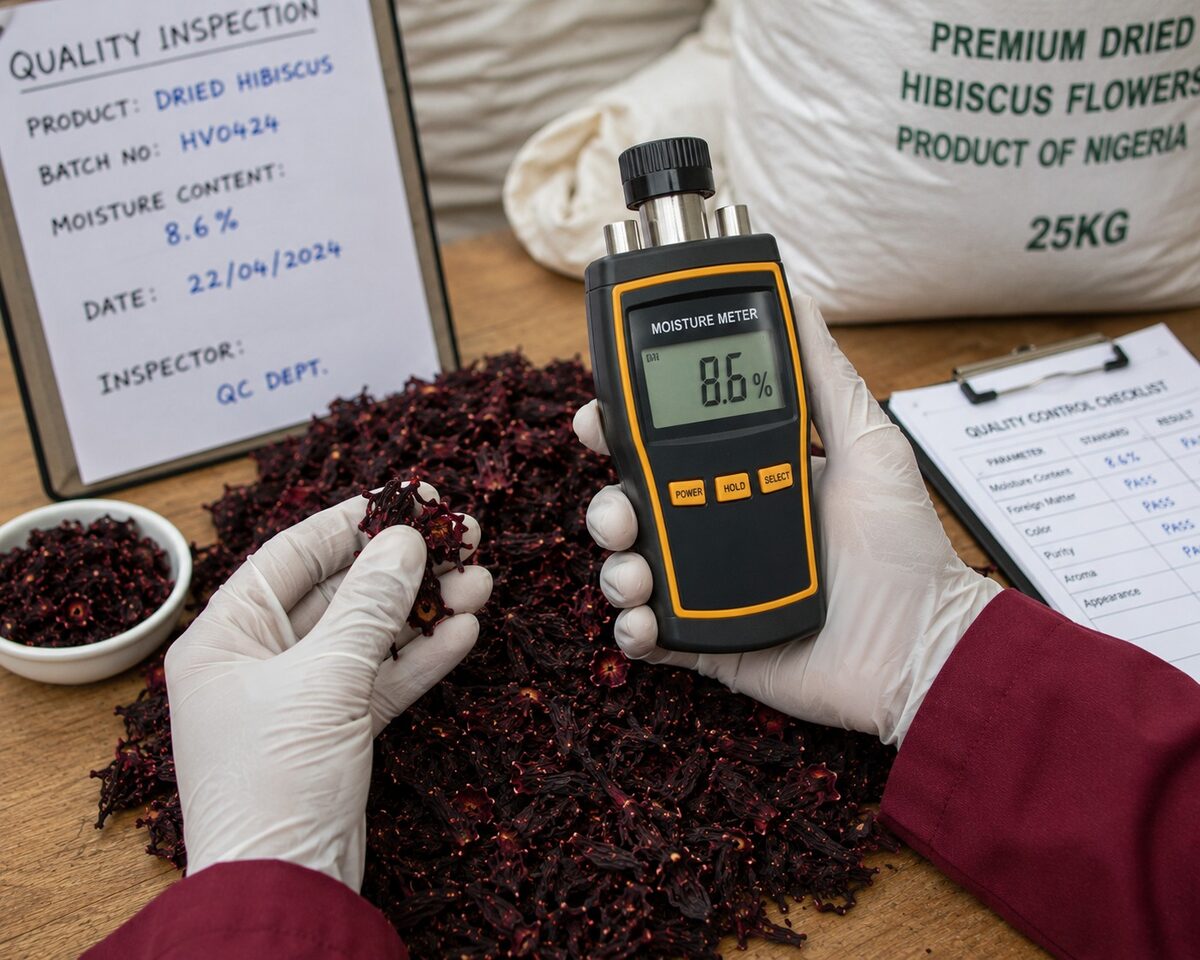
Proper moisture control preserves the natural color, aroma, and integrity of dried hibiscus while reducing the risk of mold, spoilage, and microbial contamination during transportation and storage. For importers, distributors, tea manufacturers, beverage companies, herbal product manufacturers, and procurement managers, understanding acceptable moisture levels is essential when evaluating suppliers and purchasing export-grade hibiscus.
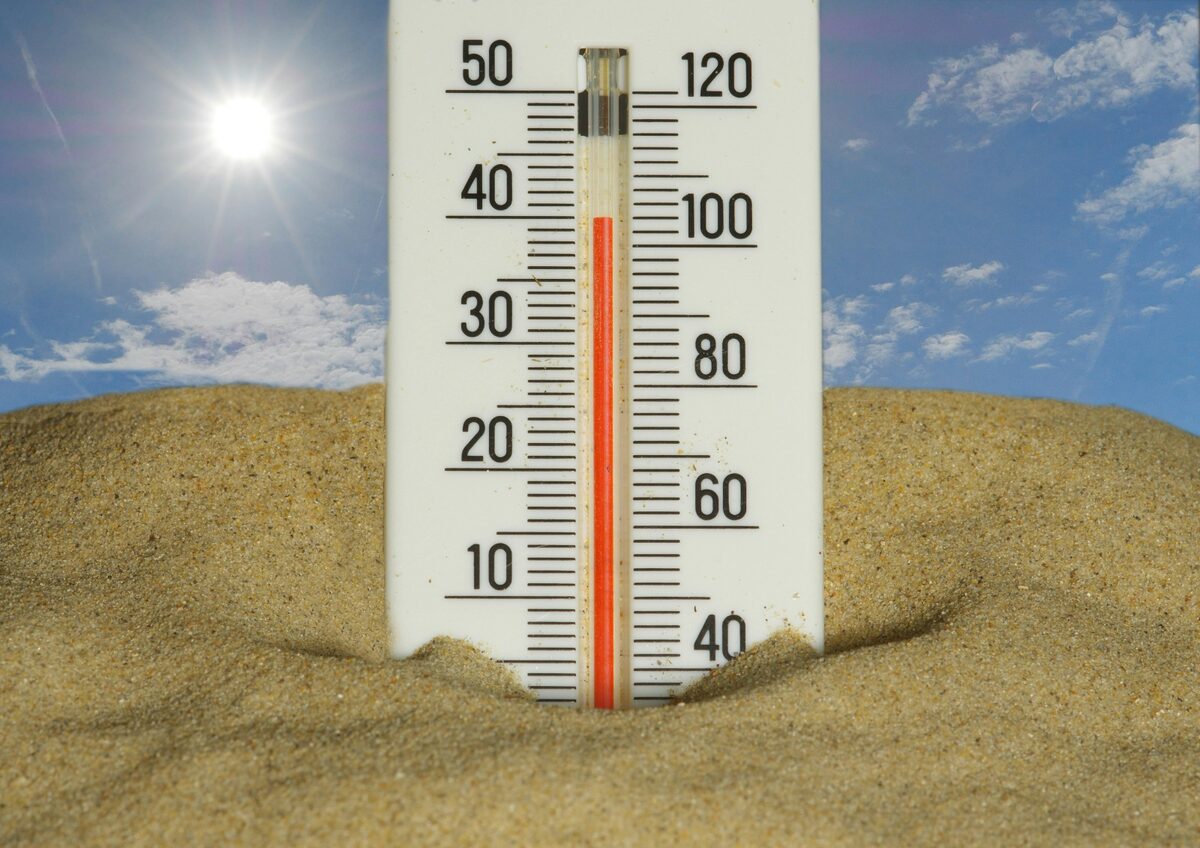
Why Hibiscus Moisture Content Matters
Moisture content is the amount of water remaining in dried hibiscus after harvesting and drying. Achieving the correct level is one of the most important quality objectives during processing because it directly affects product stability.
If hibiscus retains too much moisture, it becomes more susceptible to mold growth, yeast and bacterial contamination, loss of natural color, unpleasant odors, product deterioration, reduced shelf life, and shipment rejection.
For exporters, moisture management is not simply a quality preference — it is an essential component of product safety and commercial reliability.
Understanding Hibiscus Export Standards
International buyers typically establish detailed export standards to ensure products arrive in good condition and perform consistently during manufacturing. Although specifications vary by buyer and destination, they often include:
Moisture Content
Verified moisture levels appropriate for long-distance shipping.
Purity & Foreign Matter
Purity levels and foreign matter limits agreed before shipment.
Color & Calyx Size
Color consistency and calyx size requirements per application.
Packaging & Shelf Life
Packaging specifications, shelf life, and country of origin.
Because every buyer has unique requirements, exporters should always confirm quality specifications before production and shipment.
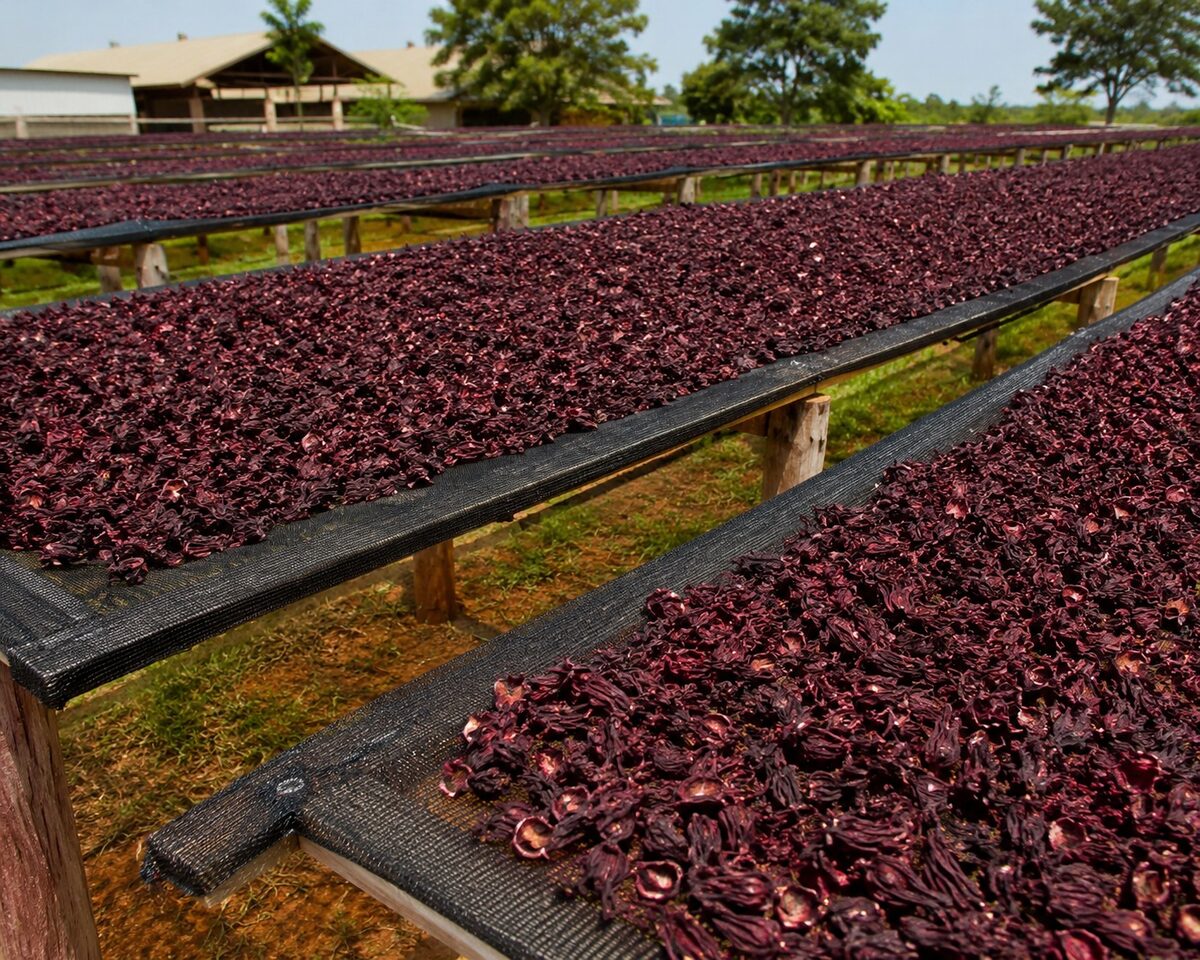
The Role of the Hibiscus Drying Process
Drying begins shortly after harvesting to remove excess water from the calyces while preserving their natural characteristics. A well-managed drying process helps maintain rich natural color, characteristic aroma, product stability, nutritional properties, and processing performance.
If drying is incomplete, moisture may remain trapped inside the product, increasing the likelihood of spoilage during transportation. Conversely, excessive drying can make the calyces brittle, increasing breakage and reducing visual appeal.
Harvest Timing & Duration
Freshly harvested hibiscus should be processed promptly, with the drying period carefully monitored to reach the desired moisture level without damage.
Weather Conditions
Temperature, humidity, and airflow all affect drying performance.
Handling Practices
Gentle handling throughout the drying process preserves the integrity of the calyces.
Quality Control Throughout Processing
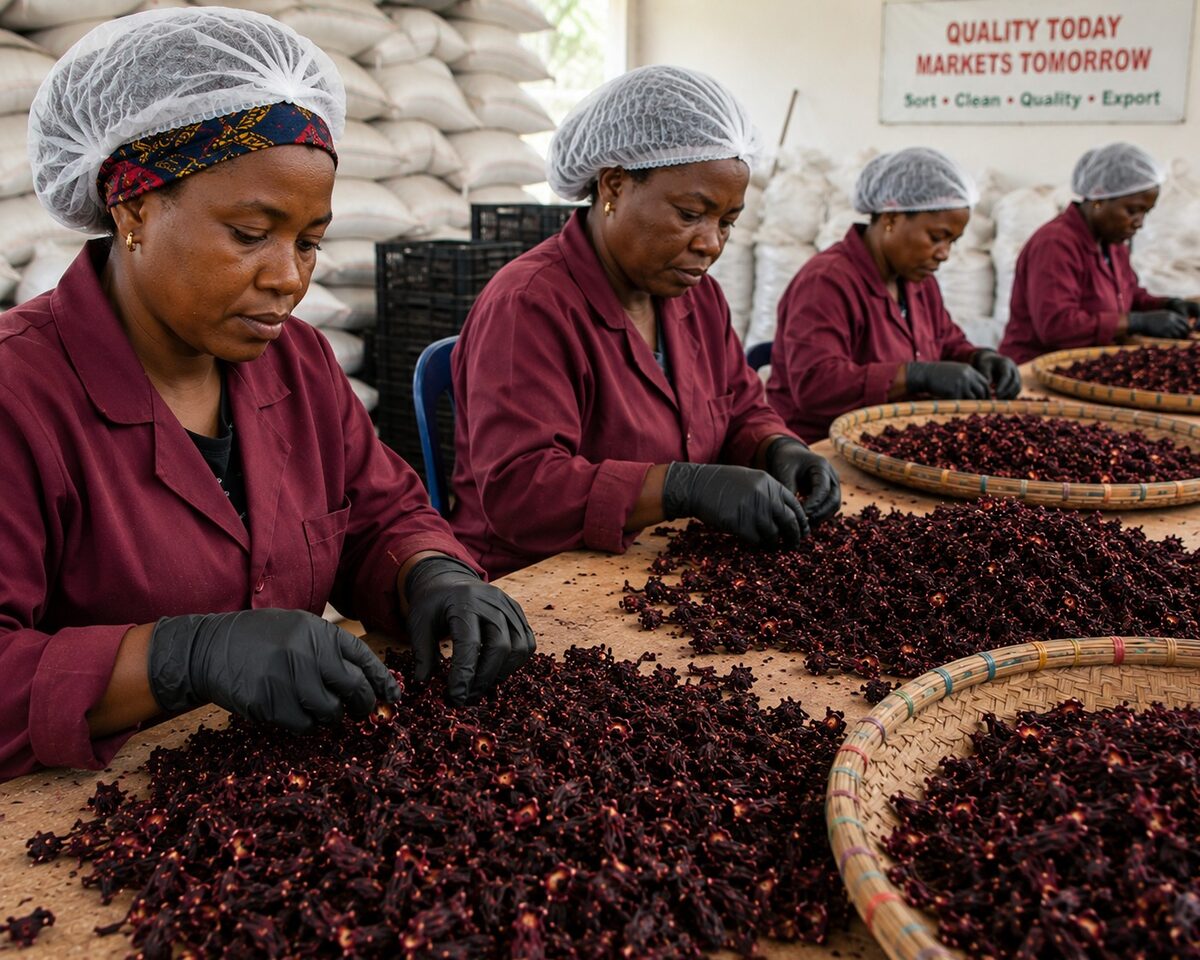
Maintaining consistent hibiscus quality control requires attention at every stage of production — from the field through cleaning, drying, sorting, packaging, storage, and export preparation.
A comprehensive quality control program may include visual inspections, moisture monitoring, removal of foreign matter, product grading, packaging inspections, batch identification, and final quality verification.
Before shipment, reputable suppliers verify moisture levels, product cleanliness, color consistency, physical condition, packaging integrity, and label accuracy. Depending on customer requirements, additional laboratory testing or third-party inspection may also be conducted.
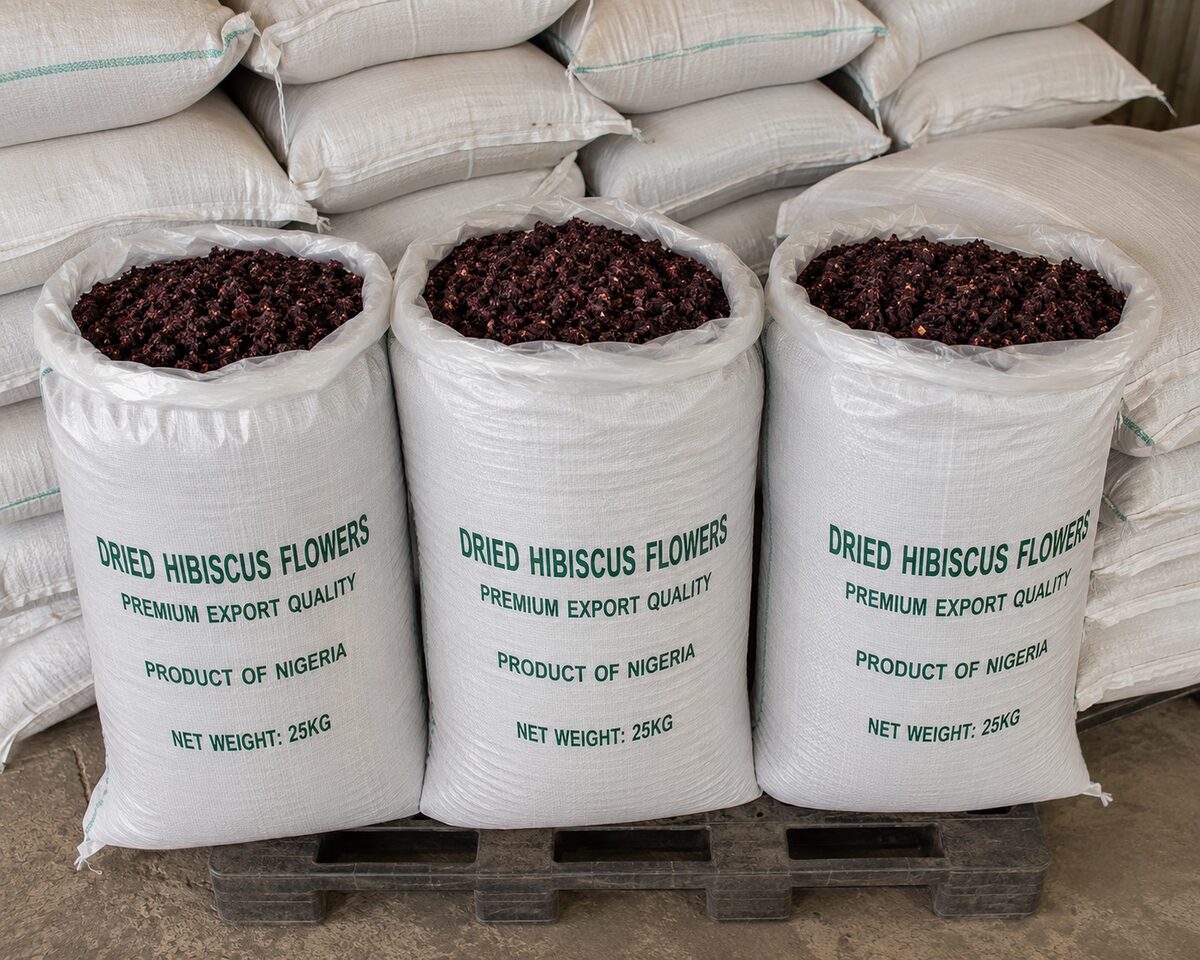
Storage and Packaging Protection
Even after proper drying, maintaining product quality depends heavily on appropriate storage. Incorrect storage conditions can quickly reverse the benefits of careful processing.
Good Storage Practices
Keeping the product dry, protecting it from humidity, maintaining clean storage areas, preventing pest contamination, and rotating inventory appropriately.
Moisture-Protective Packaging
Export packaging should protect against environmental moisture, minimize contamination, maintain quality during transportation, and support efficient handling. Many buyers specify packaging requirements in their procurement specifications.
Common Risks of Improper Moisture Management
When moisture is not adequately controlled, buyers may encounter mold contamination, shipment rejection, reduced shelf life, product discoloration, loss of aroma, higher waste during processing, customer complaints, and financial losses.
These risks highlight why moisture content is considered one of the most important indicators of export readiness. Alongside proper drying, careful storage, and adherence to export standards, it helps ensure dried hibiscus arrives in excellent condition and performs consistently across tea, beverage, food, and wellness applications. See our guides on identifying premium quality hibiscus and hibiscus quality grades for the full sourcing picture.
Source Export-Quality Hibiscus with Confidence
At Hibiscus Valleys, we supply premium Nigerian dried hibiscus flowers that are carefully processed, quality-checked, and prepared to meet the expectations of international buyers. Contact our team to discuss your product specifications, volume requirements, and international sourcing needs.
Contact Us for Sourcing