
How Hibiscus Flowers Are Processed from Farm to Export
Hibiscus flowers are widely recognized around the world for their vibrant color, tangy flavor, and versatility in beverages and food products. From herbal teas to natural food coloring, Nigeria has become a major supplier of dried hibiscus flowers to international markets.
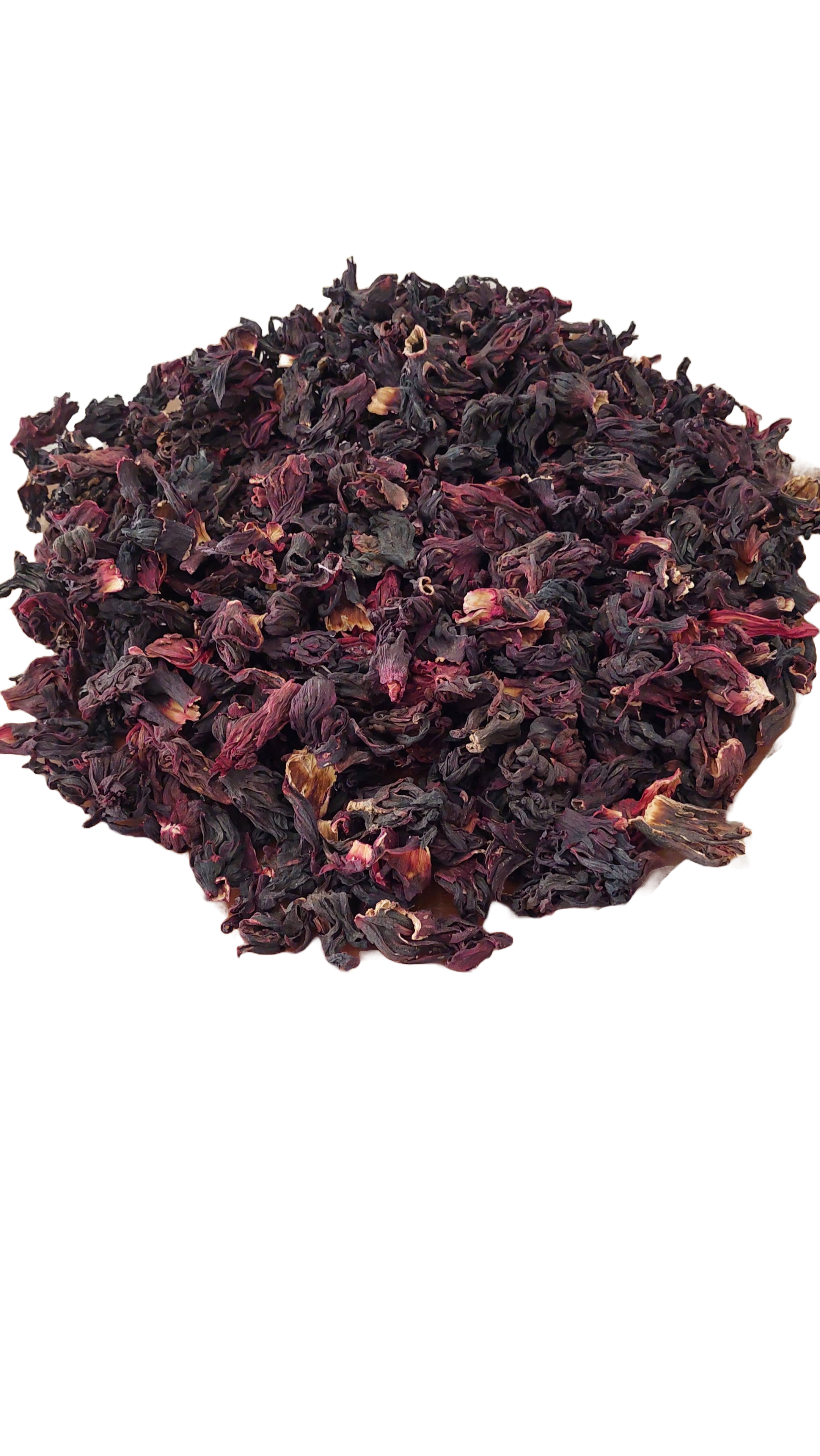
Before hibiscus reaches global buyers, it goes through several important stages in the processing supply chain. Each step — from harvesting to packaging — plays a crucial role in ensuring the quality, safety, and consistency expected by international buyers.
Understanding how hibiscus flowers are processed provides valuable insight into the work involved in preparing this agricultural product for export.
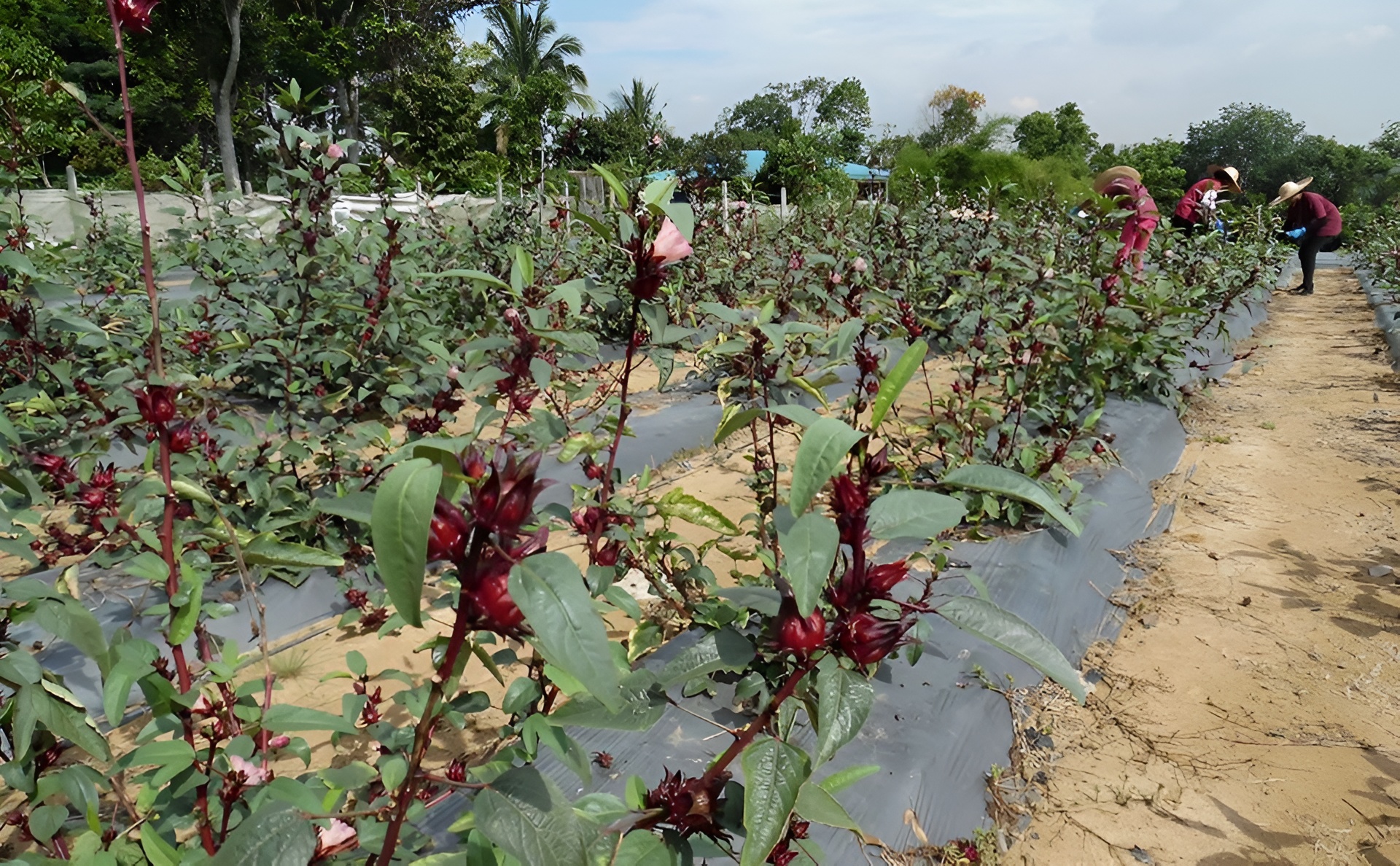
Hibiscus Cultivation and Harvesting
The journey of hibiscus begins on farms, particularly in the northern regions of Nigeria where climate conditions are favorable for cultivation. Farmers plant hibiscus seeds at the beginning of the growing season and carefully manage the crop until the plants mature.
When the hibiscus plants reach maturity, farmers harvest the red calyces — the fleshy outer part of the flower that is used in food and beverage products. These calyces are the raw material used in the hibiscus flower processing industry.
Proper harvesting is important because it ensures the flowers maintain their natural color, flavor, and nutritional properties.
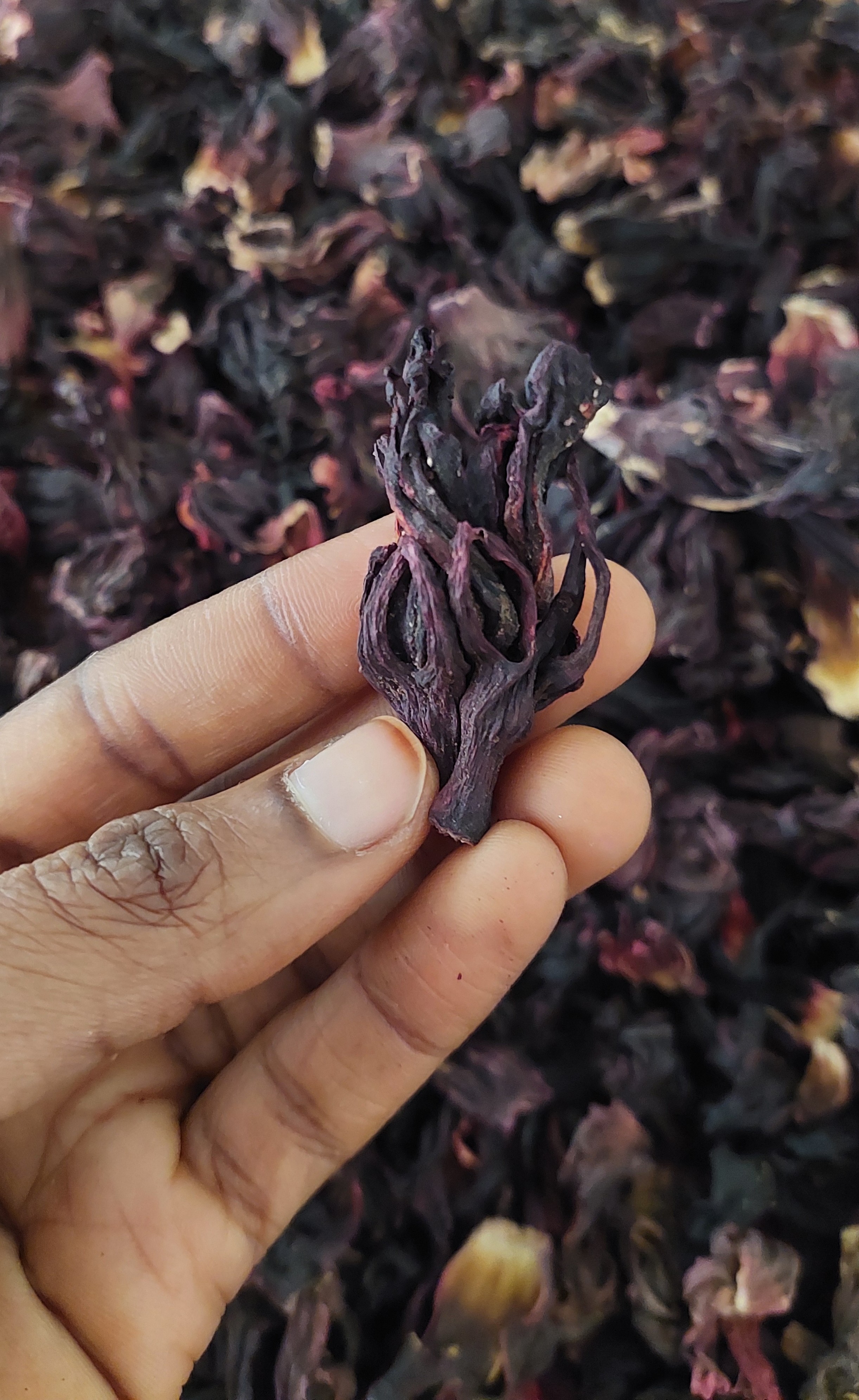
Separation of the Calyces
After harvesting, the next stage involves separating the calyces from the seed pods. This step is usually done manually by farmers or workers using simple tools.
Removing the calyces carefully helps preserve their shape and quality. At this stage, the fresh calyces still contain moisture and must undergo drying before they can be stored or exported.
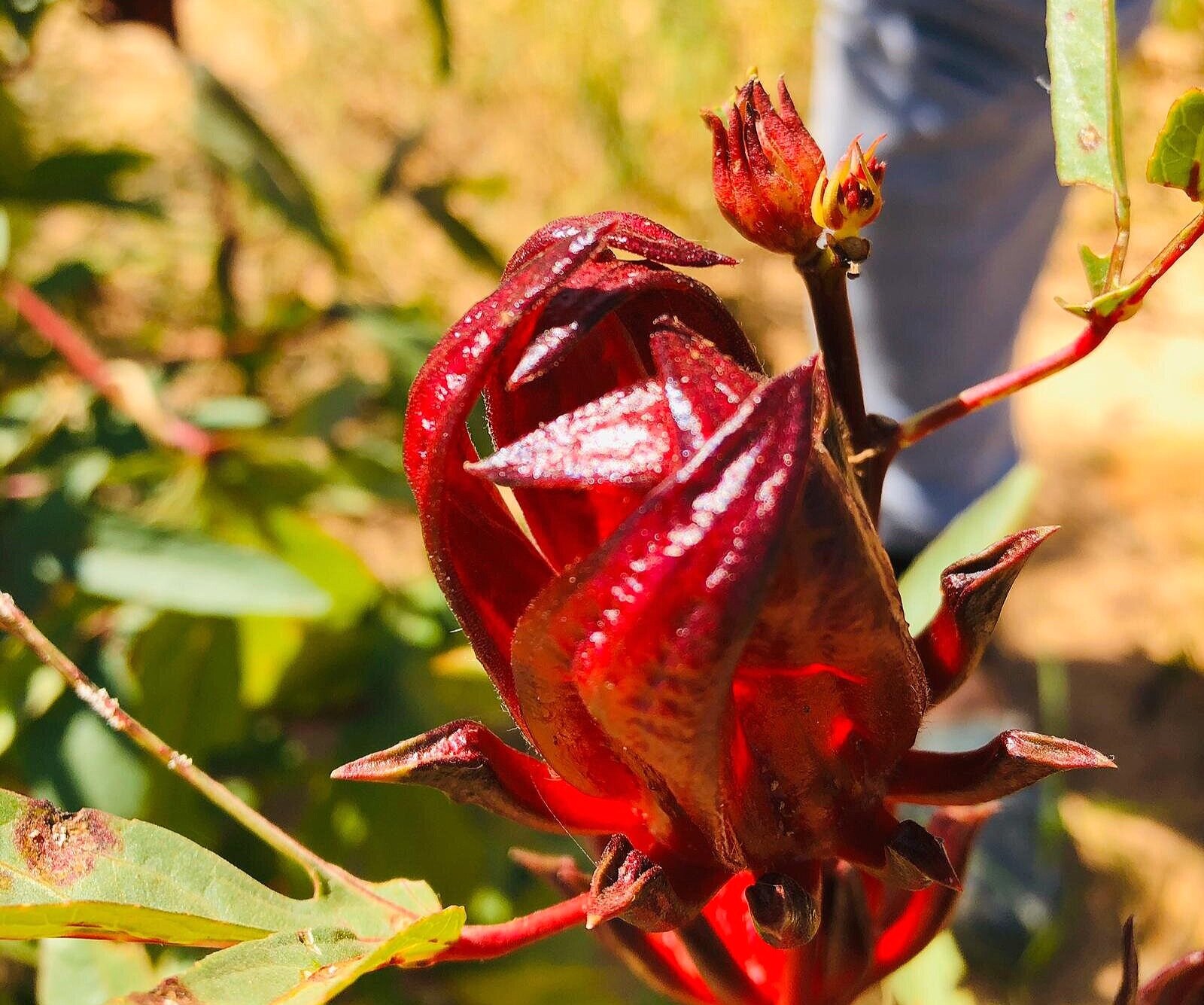
The Hibiscus Drying Process
Drying is one of the most critical steps in the process because it helps preserve the flowers for long-term storage and transport.
Fresh hibiscus calyces contain a high level of moisture. If they are not dried properly, they can spoil or lose their quality.
In many producing regions, the calyces are spread out on clean surfaces or drying mats and exposed to sunlight. Over several days, the moisture gradually evaporates, leaving behind dried hibiscus flowers with their characteristic deep red color.
Proper drying helps ensure the hibiscus meets the quality expectations required for international markets.
Cleaning and Sorting
Once the hibiscus is fully dried, it moves to the cleaning and sorting stage. During this step, workers remove impurities and sort for uniformity in color and size.
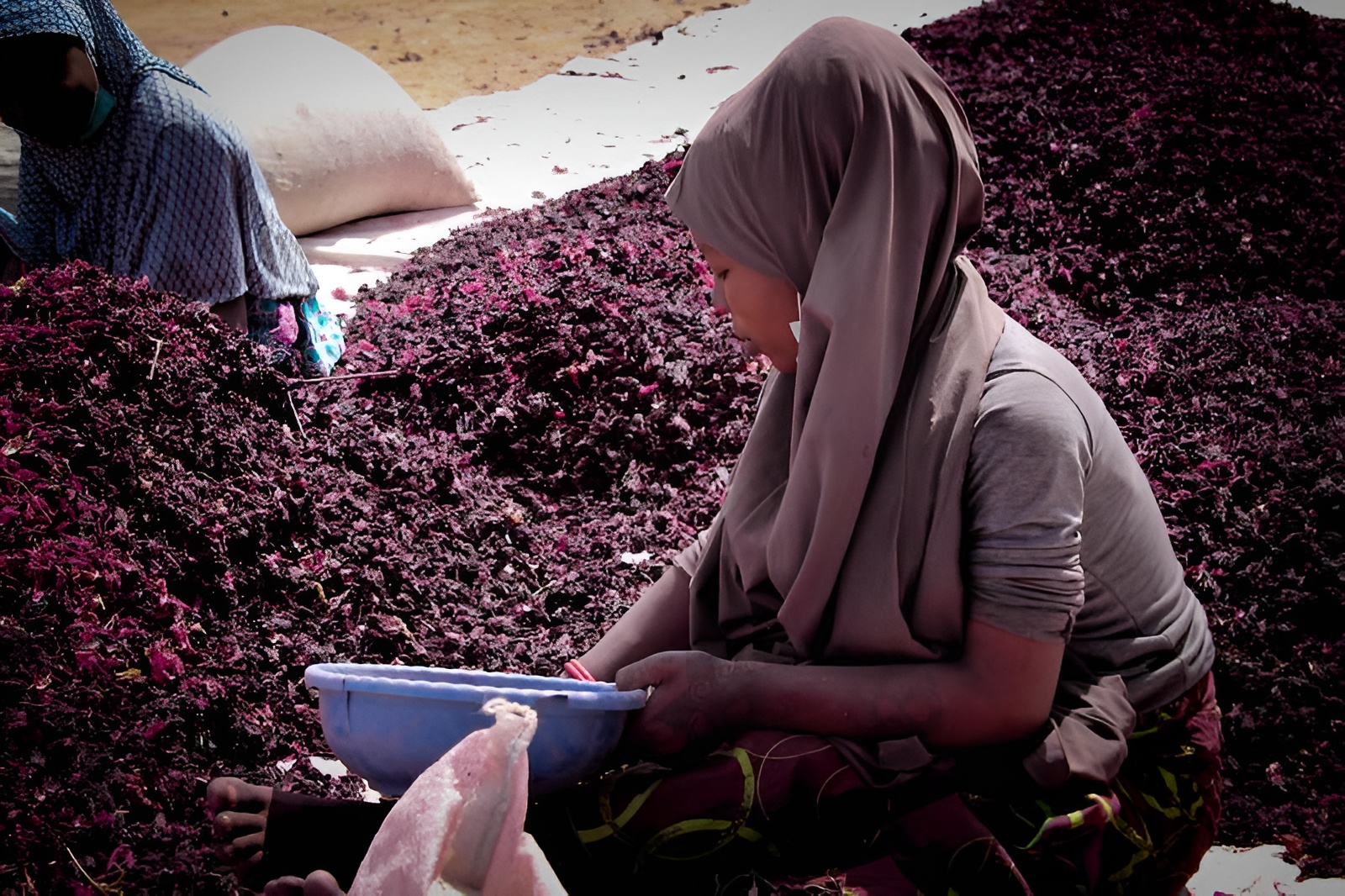 Manual Sorting
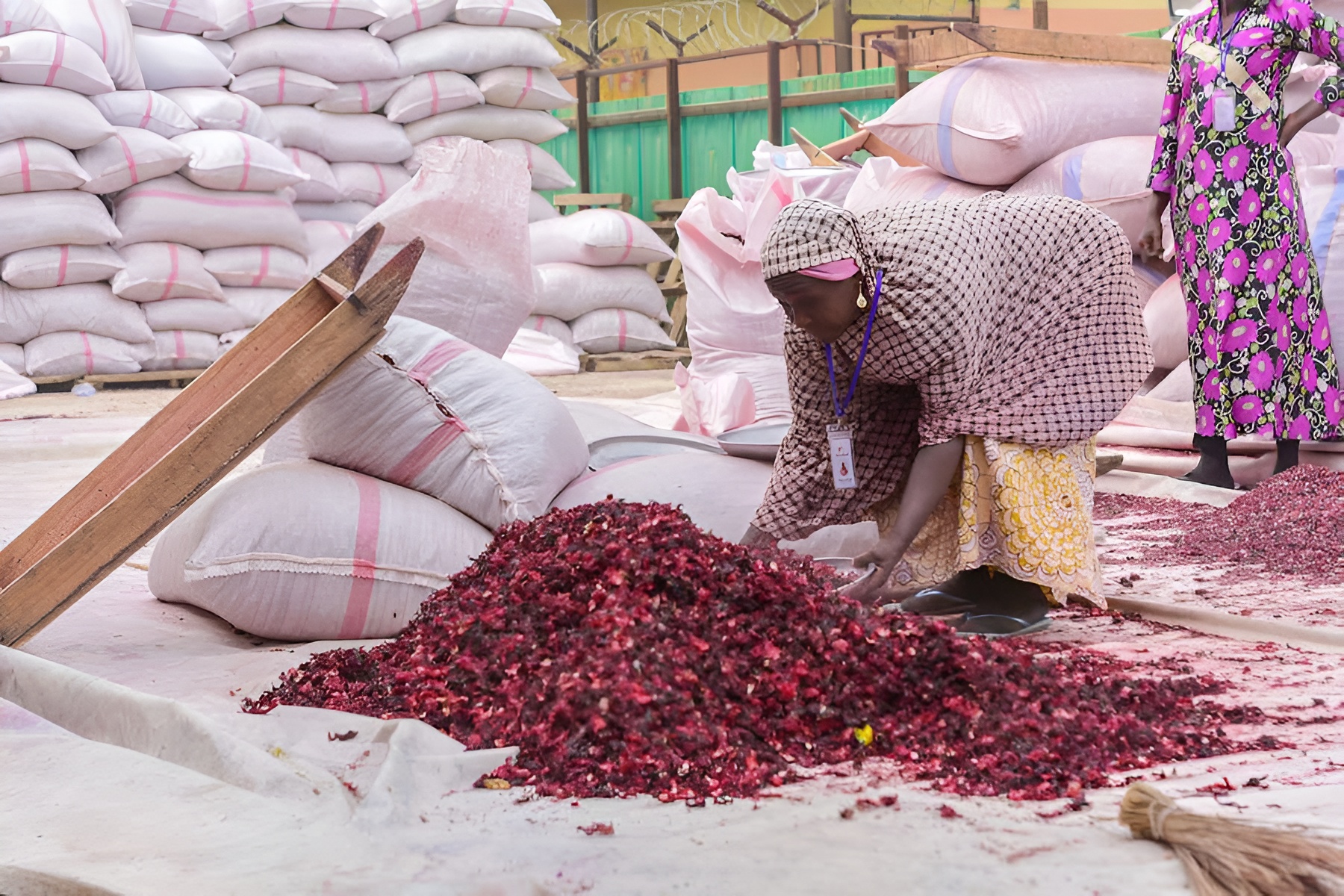 Cleaning & Grading
Workers carefully remove dust, stems, foreign materials, and damaged calyces. The hibiscus is sorted to maintain uniformity, which is important for buyers who require consistent raw materials.
Quality Control and Grading
Before packaging, exporters conduct quality checks to ensure the hibiscus meets international standards.
Moisture Content
Tested to ensure optimal dryness for safe storage and transport.
Color & Appearance
Evaluated for the deep red color that international buyers expect.
Cleanliness
Inspected to confirm all impurities and foreign materials are removed.
Contaminant-Free
Screened to meet strict international safety and quality guidelines.
Proper grading also helps classify the hibiscus according to its quality level, which can influence its value in the market.
Packaging for Export
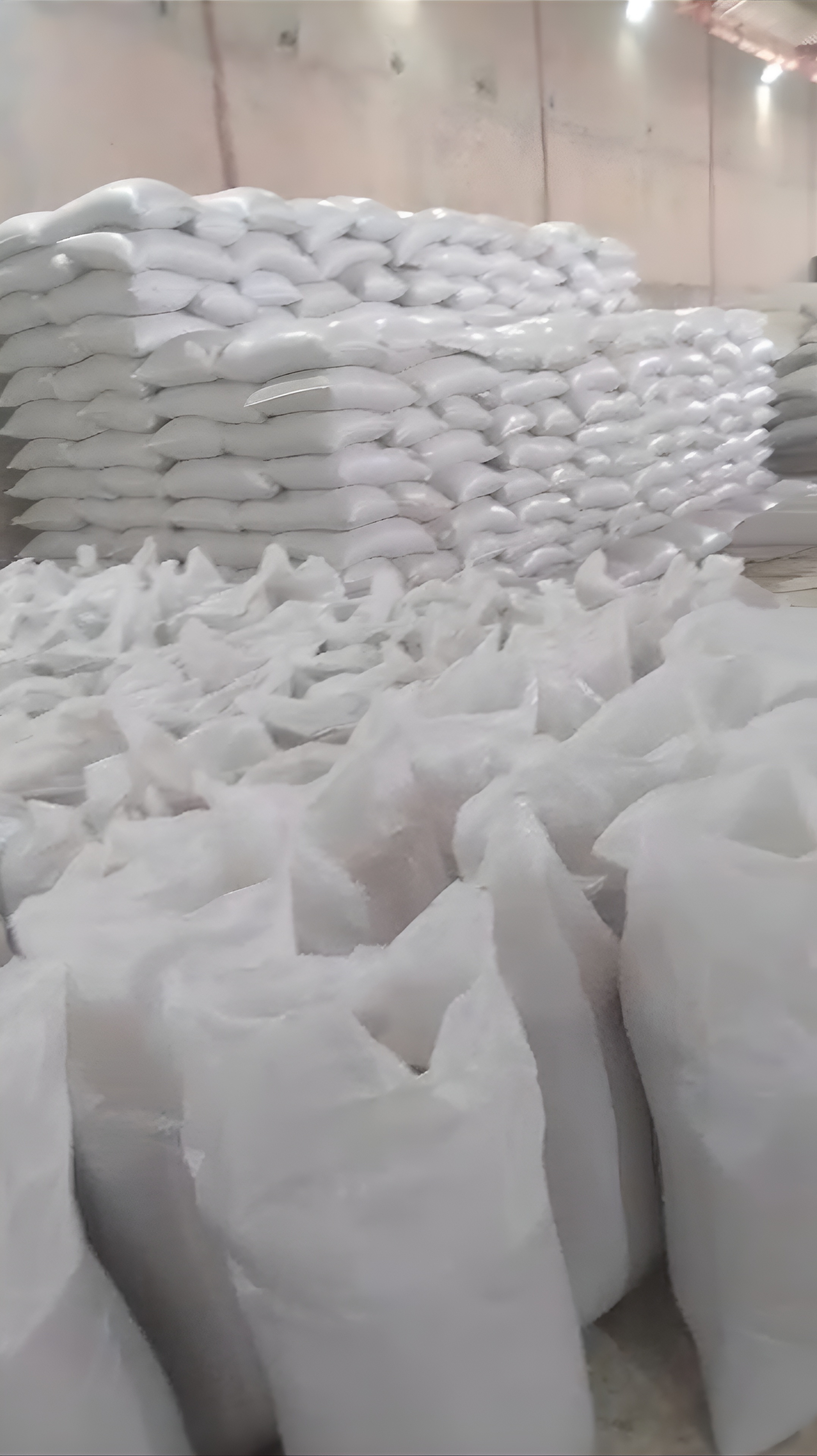
After cleaning and grading, the hibiscus is carefully packaged to prepare it for international shipping.
Export-quality hibiscus is typically packed in durable bags designed to protect the product during transportation. Proper packaging helps preserve the color, flavor, and dryness of the flowers while preventing contamination.
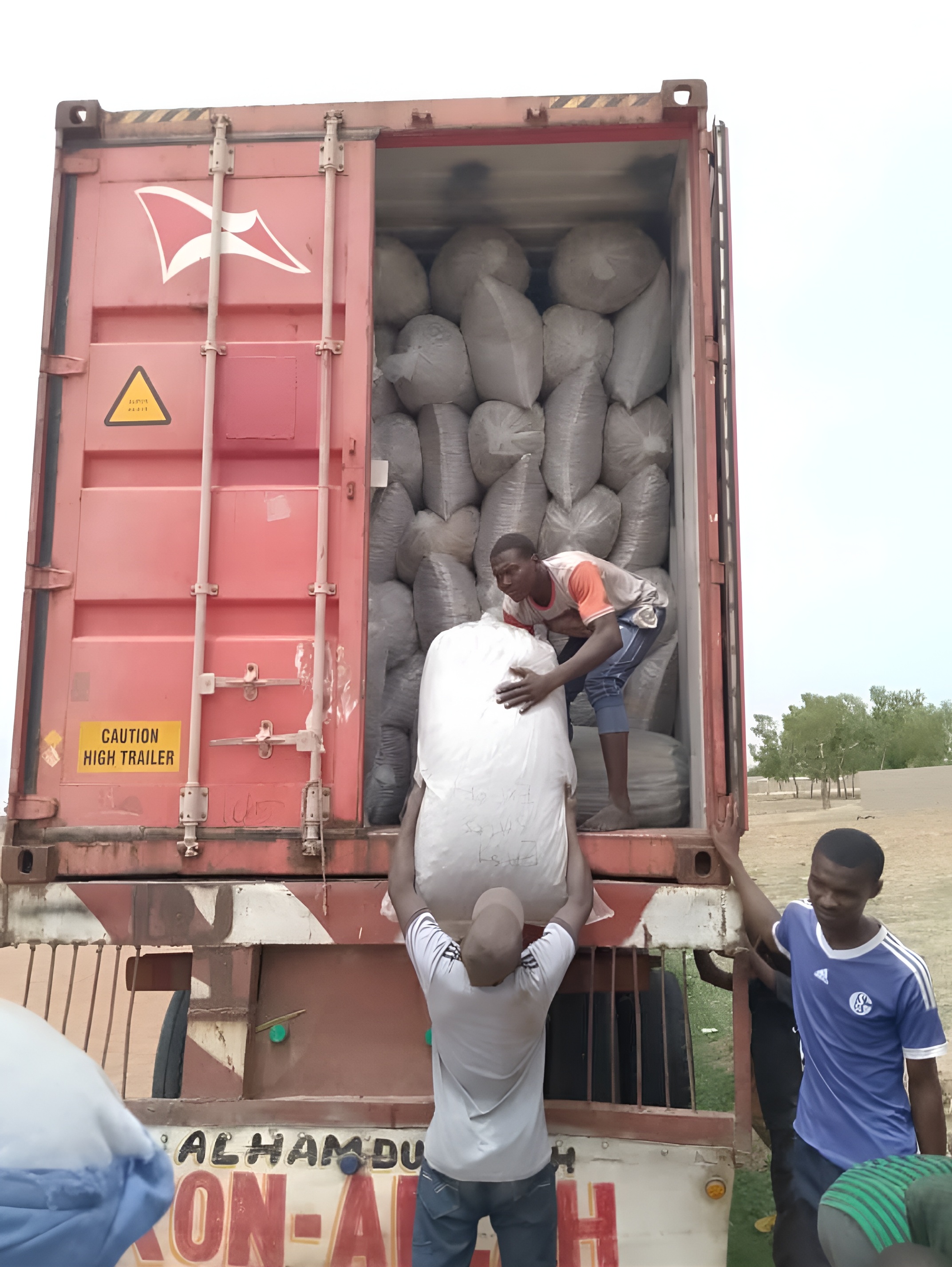
Transportation and International Export
Once packaged, the hibiscus is transported from processing facilities to ports for export. From there, shipments are sent to international buyers including:
Herbal Tea Manufacturers
Premium hibiscus for global tea brands and blends.
Beverage Companies
Bulk supply for juice, drink, and functional beverage producers.
Food Ingredient Suppliers
Raw material for food manufacturers and ingredient distributors.
Distributors & Wholesalers
Large-volume orders for regional and international distribution.
This final step completes the hibiscus processing journey from farm to export. Nigeria remains one of the key suppliers in the global hibiscus market because of its strong agricultural base and well-developed export networks.
Supplying Quality Hibiscus for International Markets
At Hibiscus Valleys, we are committed to supporting every stage of the export process, from sourcing raw hibiscus to preparing high-quality products suitable for international buyers. By working closely with farmers and suppliers, we ensure that our dried hibiscus flowers are processed carefully, cleaned thoroughly, and packaged properly for export.
Contact Us for Sourcing